
Introduction
The best investors and financial experts didn’t achieve success overnight—they learned from experience, studied financial principles, and followed time-tested strategies. Some of their most valuable insights have been compiled into books that have transformed how people think about wealth.
But with so many books available, it can be overwhelming to know where to start. To help you, we’ve broken down three of the most important lessons from ten of the best books on investing and financial growth.
Whether you are a beginner or an experienced investor, these insights will help you build a solid financial foundation, develop an investor’s mindset, and grow your wealth over time.
1. The Millionaire Next Door – Thomas J. Stanley & William D. Danko

Summary:
This book challenges the common perception of millionaires, revealing that most wealthy individuals are not flashy spenders but instead live modestly, invest wisely, and focus on financial independence.
Key Lessons:
- Wealth is built through frugality, not high income.
Many millionaires live below their means, prioritize saving, and avoid status-driven spending. - Financial independence is more important than displaying wealth.
Truly wealthy individuals focus on building assets rather than accumulating luxury items. - Self-discipline and financial planning are key.
Millionaires create budgets, invest consistently, and think long-term about their financial goals.
2. The Intelligent Investor – Benjamin Graham
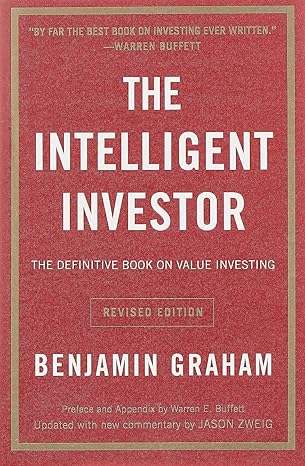
Summary:
This book is widely regarded as the ultimate guide to value investing, teaching investors how to assess stocks, minimize risk, and develop patience in the market.
Key Lessons:
- Investing should be based on principles, not emotions.
Emotional decisions lead to losses—rational, long-term strategies are essential. - Margin of safety is critical.
Always buy assets at a discount to their intrinsic value to minimize risk. - Market fluctuations create opportunities.
The market moves in cycles, and smart investors take advantage of downturns rather than fear them.
3. The Psychology of Money – Morgan Housel

Summary:
This book explores how emotions, biases, and human behavior shape financial decisions and wealth accumulation.
Key Lessons:
- Your financial success depends more on behavior than knowledge.
Good money habits and discipline matter more than complex financial expertise. - Wealth is about freedom, not just numbers.
True financial success means having control over your time and choices. - Compounding is the most powerful financial force.
Long-term investing and consistency create exponential wealth growth.
4. Rich Dad Poor Dad – Robert Kiyosaki

Summary:
This book contrasts two financial mindsets: one focused on security and employment (Poor Dad) and the other on wealth-building and investing (Rich Dad).
Key Lessons:
- The rich focus on acquiring assets, not earning a paycheck.
True wealth comes from investments that generate passive income. - Financial education is the key to financial freedom.
Schools don’t teach money management—learning about investing is essential. - Your mindset determines your financial success.
Developing an entrepreneurial and investment-driven mindset is crucial.
5. The Richest Man in Babylon – George S. Clason
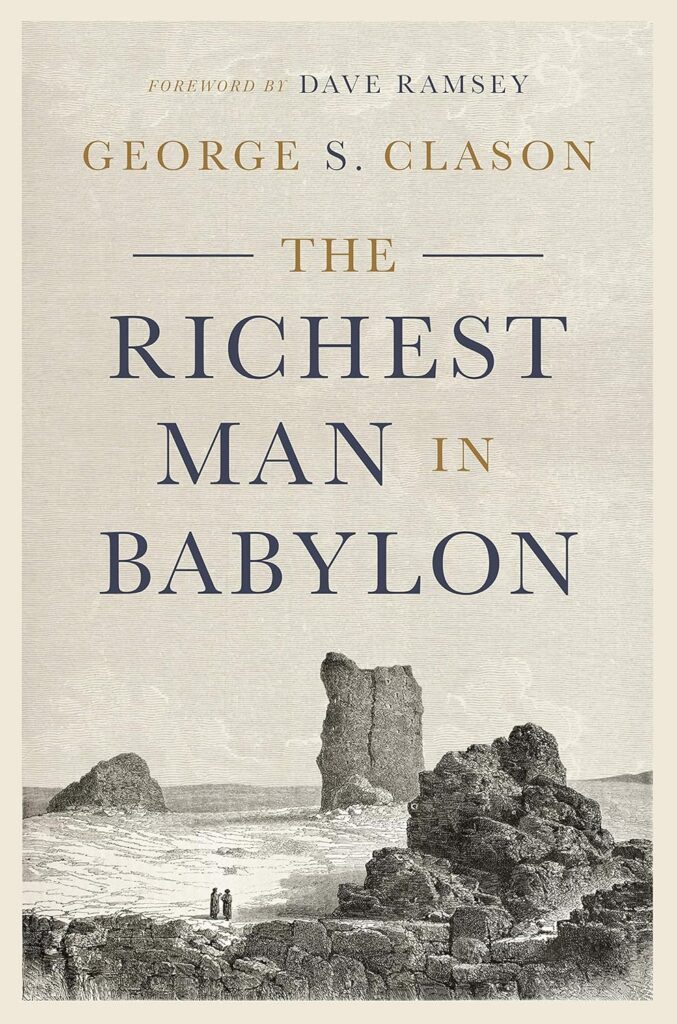
Summary:
A timeless book that presents wealth-building principles through parables set in ancient Babylon.
Key Lessons:
- Pay yourself first.
Always save at least 10% of your earnings before paying any expenses. - Make your money work for you.
Invest wisely so that your wealth grows over time. - Seek financial wisdom and guidance.
Learning from experienced investors and mentors prevents costly mistakes.
6. I Will Teach You to Be Rich – Ramit Sethi
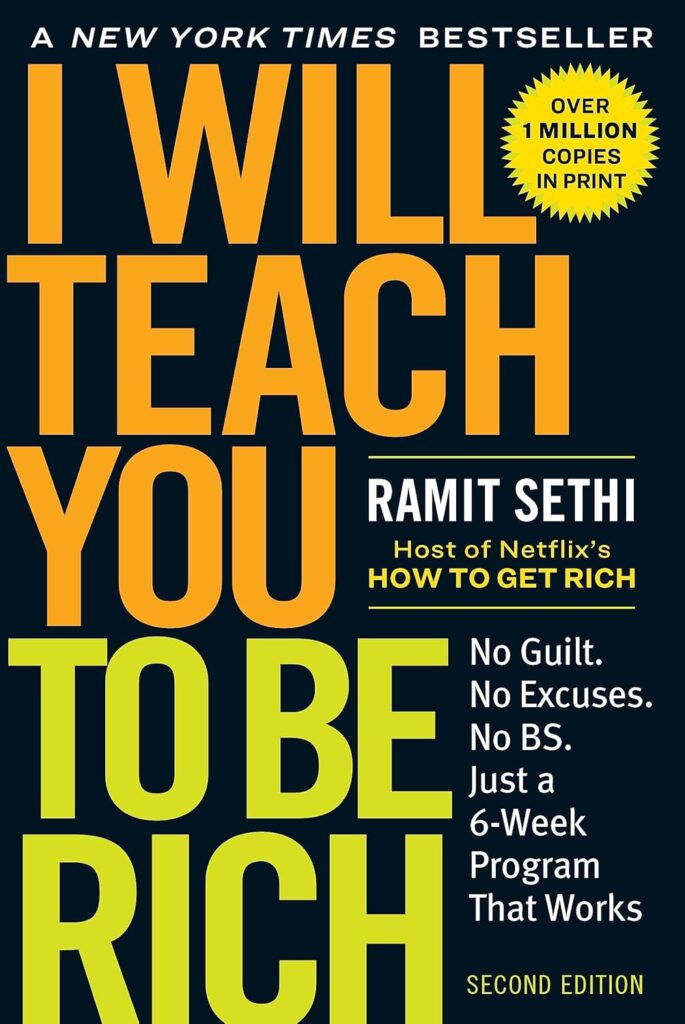
Summary:
A modern guide to automating finances, investing wisely, and living a rich life without excessive budgeting.
Key Lessons:
- Automate savings and investing.
Setting up systems removes emotional decision-making and builds wealth effortlessly. - Focus on big wins rather than extreme frugality.
Earning more and making smart financial choices matters more than cutting small expenses. - Invest early and consistently.
Compounding interest rewards those who start investing as soon as possible.
7. Unshakeable – Tony Robbins

Summary:
This book simplifies complex investing principles and provides strategies for long-term financial security.
Key Lessons:
- Market corrections are opportunities, not threats.
Successful investors take advantage of downturns to buy assets at lower prices. - Diversification reduces risk.
Spreading investments across multiple asset classes protects against market volatility. - Mastering your emotions leads to better investing.
Panic and fear-based decisions result in poor financial outcomes.
8. One Up on Wall Street – Peter Lynch

Summary:
This book explains how everyday investors can outperform professional fund managers by investing in what they know.
Key Lessons:
- Individual investors have an advantage.
The average person can spot great investment opportunities before Wall Street. - Invest in companies you understand.
Avoid speculative investments and focus on businesses with strong fundamentals. - Long-term thinking beats market timing.
Holding quality stocks for years leads to greater gains than short-term trading.
9. Common Stocks and Uncommon Profits – Philip Fisher

Summary:
A guide to growth investing that focuses on analyzing a company’s long-term potential.
Key Lessons:
- Buy great companies, not just great stocks.
Long-term success comes from investing in businesses with sustainable growth. - Management quality is critical.
A strong leadership team drives a company’s success and shareholder value. - Deep research leads to smart investing.
Understanding an industry and its potential is key to making informed investment decisions.
10. Your Money or Your Life – Vicki Robin

Summary:
This book challenges traditional views on money and emphasizes financial independence.
Key Lessons:
- Financial independence is about freedom, not wealth.
The goal is to have enough passive income to support your desired lifestyle. - Align your spending with your values.
Money should be used to improve quality of life, not just accumulate possessions. - Track and measure your financial progress.
Awareness of your income, expenses, and investments leads to better decision-making.
Conclusion
The best financial growth and investment books all emphasize similar themes:
- Wealth is built through smart habits, not just high income.
- Long-term thinking and patience lead to financial success.
- Assets and investments generate true wealth—not salaries.
By applying these lessons, you can take control of your finances, build long-term wealth, and secure your financial future.