
A bit about The Richest Man in Babylon
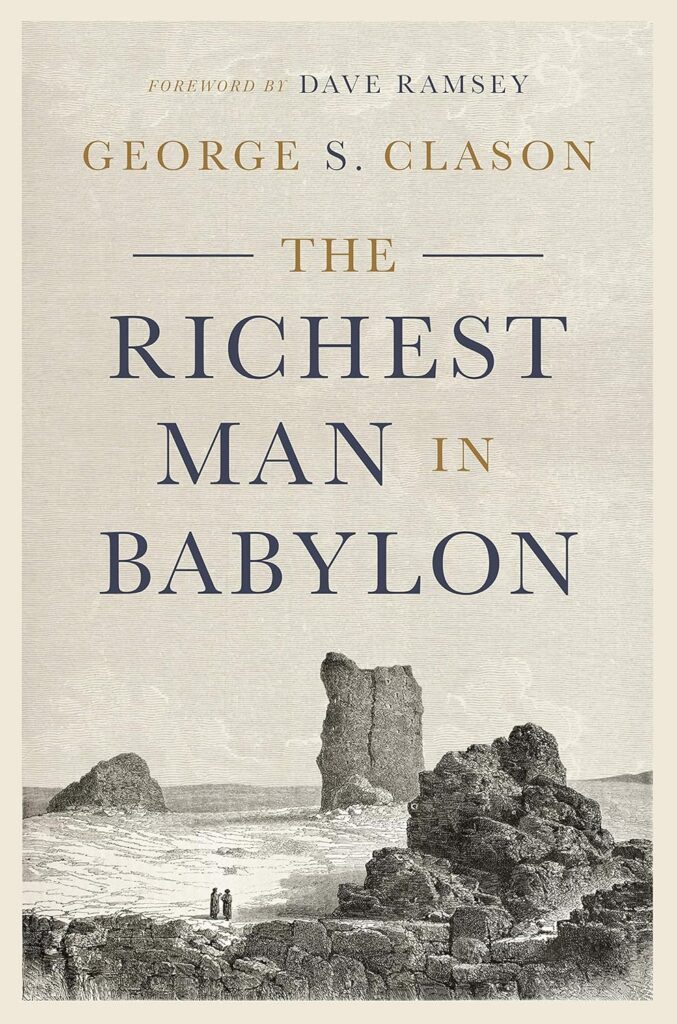
The Richest Man in Babylon by George S. Clason is one of the most enduring financial books ever written, offering timeless wealth lessons on building and financial success. Originally published in 1926, the book presents its lessons through parables set in ancient Babylon, a city famed for its prosperity. These stories contain simple yet profound financial wisdom, emphasizing the importance of saving, investing, and understanding money.
Despite being nearly a century old, the book’s core principles remain as relevant today as they were when first introduced. The lessons outlined in The Richest Man in Babylon are foundational for anyone looking to build wealth, escape financial struggles, and achieve financial independence. Let’s explore the book’s insights and how they can be applied in modern times.
The Core Philosophy of The Richest Man in Babylon
At its heart, The Richest Man in Babylon is a collection of financial teachings wrapped in engaging storytelling. The central theme is that anyone, regardless of income level, can achieve wealth by following fundamental financial principles. Through the wisdom of Arkad—the titular “richest man in Babylon”—the book provides practical guidance on accumulating and preserving wealth.
The book underscores that wealth is not about luck or high income but about financial discipline, smart investing, and a strong understanding of money. Babylon’s richest citizens were not those who merely earned a fortune but those who managed and multiplied their wealth wisely. This philosophy holds true today: financial security is built through habits and choices, not mere circumstances.
The Seven Cures for a Lean Purse
One of the book’s most famous sections, “The Seven Cures for a Lean Purse,” outlines key principles for wealth-building. These timeless wealth lessons are the foundation of financial success and remain timeless in their application.
The first cure, “Start Thy Purse to Fattening,” emphasizes the importance of saving at least 10% of your income. This simple habit ensures that you are always building wealth rather than living paycheck to paycheck. Too often, people spend everything they earn, leaving nothing for the future. By consistently setting aside a portion of your earnings, you create a financial cushion that can later be invested.
The second cure, “Control Thy Expenditures,” highlights the importance of living within your means. Many people mistakenly believe they don’t earn enough to save, but in reality, unnecessary expenses often drain their finances. Clason’s lesson here is clear: separate needs from wants, prioritize essential expenses, and avoid lifestyle inflation.
The third cure, “Make Thy Gold Multiply,” teaches the principle of investing. Saving money alone is not enough—your wealth must work for you. Arkad advises putting money into investments that yield returns, such as businesses, stocks, or real estate. The key is to generate passive income that grows your wealth over time, rather than letting money sit idle.
The Importance of Financial Wisdom
Beyond just saving and investing, The Richest Man in Babylon stresses the importance of financial education and smart decision-making. The fourth cure, “Guard Thy Treasures from Loss,” warns against risky investments and get-rich-quick schemes. Many people lose money by chasing high returns without understanding the risks involved. The book encourages consulting knowledgeable advisors and ensuring that investments are sound and well-researched.
Similarly, “Ensure a Future Income” focuses on long-term financial security. Planning for the future—whether through retirement savings, passive income, or other forms of wealth preservation—is crucial. Many people live in the moment without thinking about financial security in their later years. Arkad’s lesson here is to make provisions that will sustain you even when you’re no longer actively earning.
Finally, “Increase Thy Ability to Earn” underscores the value of continuous learning and skill development. Wealth is not just about how much money you have but about your ability to create and grow financial opportunities. Acquiring new skills, improving financial knowledge, and adapting to changing circumstances can significantly impact one’s ability to generate wealth over time.
Applying The Richest Man in Babylon in Today’s World
Although the book is set in ancient Babylon, its financial wisdom is remarkably applicable to modern life. The principle of “paying yourself first”—saving 10% of your earnings—remains one of the simplest yet most effective wealth-building strategies. Today, this can be automated through savings apps, investment accounts, and financial planning tools.
The lesson of smart investing is also more relevant than ever. With access to index funds, real estate, dividend stocks, and online business opportunities, individuals can multiply their wealth in ways that Babylonians could never have imagined. The key takeaway is to focus on low-risk, high-reward investments that generate consistent returns.
Additionally, the importance of avoiding bad investments aligns with today’s financial climate, where scams, high-risk crypto schemes, and unproven business ventures can easily wipe out hard-earned savings. Seeking guidance from experienced financial professionals, researching opportunities, and ensuring a sound financial plan is crucial.
The Power of Financial Discipline
One of the most powerful takeaways from The Richest Man in Babylon is that financial success is not about how much you earn but how you manage what you earn. Many high-income earners still live paycheck to paycheck because they lack financial discipline. By following Clason’s principles—saving consistently, controlling expenses, investing wisely, and planning for the future—anyone can achieve financial stability.
Moreover, the book highlights the power of patience and consistency. Wealth does not grow overnight but through sustained effort and wise decisions. In a world obsessed with quick money, The Richest Man in Babylon serves as a reminder that true financial success comes from long-term thinking, strategic saving, and intelligent investing.
Conclusion
The Richest Man in Babylon is more than just a financial book; it is a guide to wealth-building that has stood the test of time. Its principles of saving, investing, and financial discipline are just as relevant today as they were centuries ago. The book teaches that anyone can achieve financial success, regardless of income, by adopting smart money habits and making informed financial decisions.
If you’re looking to take control of your finances, start applying these timeless lessons today. Save diligently, invest wisely, and continue expanding your financial knowledge. Financial freedom is not reserved for the lucky few—it is available to anyone who is willing to follow these proven principles.
What’s Next?
👉 Want more timeless financial wisdom? Check out The 3 Most Important Lessons from the Best Investment and Financial Growth Books and discover how these classics compare to The Richest Man in Babylon.